

Science for Sustainable fisheries
We study how healthy oceans and healthy fishing communities depend on one another
Science for Sustainable fisheries
We study how healthy oceans and healthy fishing communities depend on one another
research
Our research traces how environmental change and management shape the resilience of fish populations, ecosystems, and the people who depend on them. We integrate fisheries ecology, social science, and modeling to understand these trade-offs, and we aim to inform policies and practices that sustain marine life and livelihoods along the world’s coastlines.
Working together
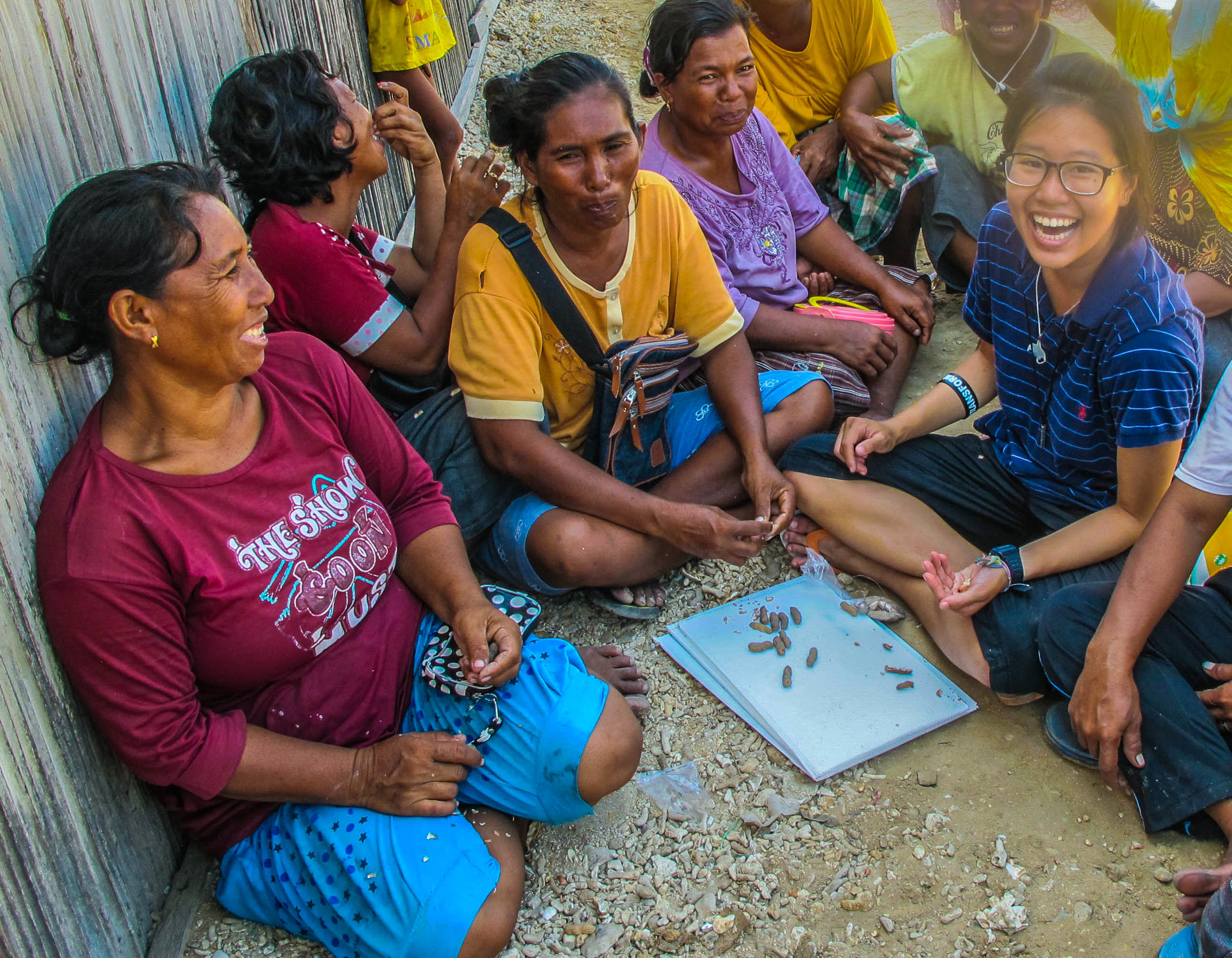
We work hand-in-hand with communities, NGOs, governments, and other scientists
Working together
We work hand-in-hand with communities, NGOs, governments, and other scientists



MENTORSHIP
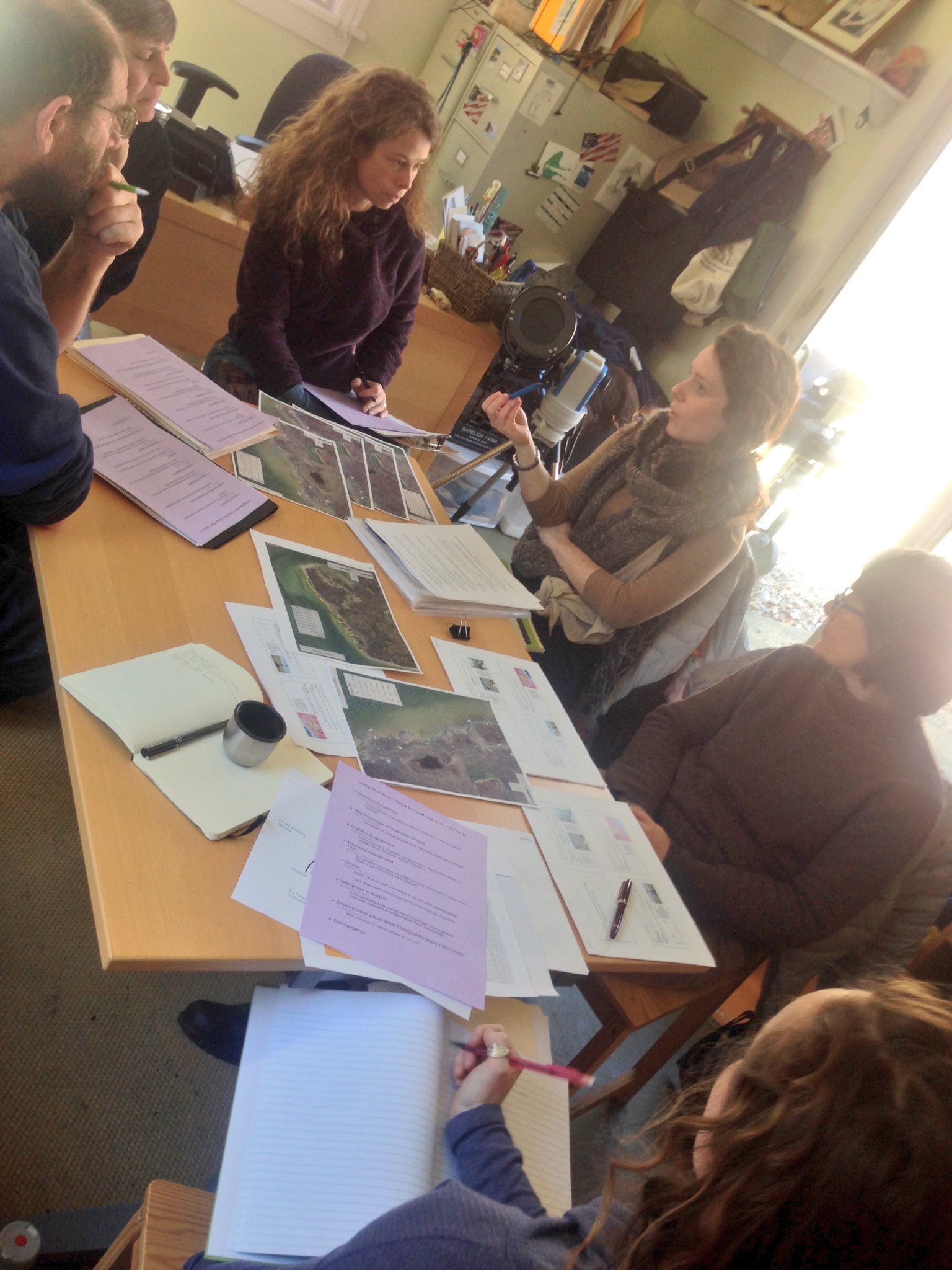
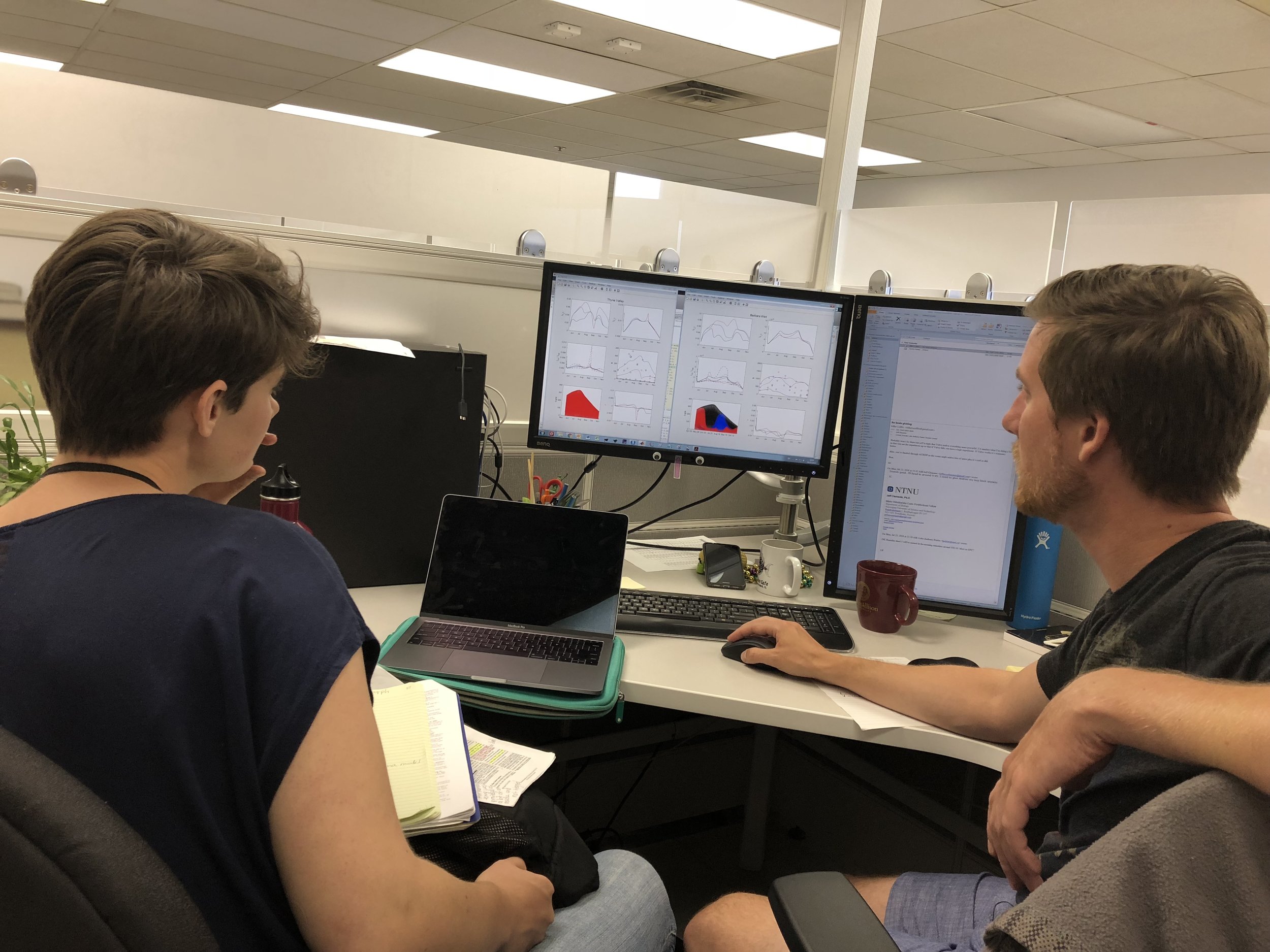
I train early-career scientists to think across disciplines and scales, from ecological mechanisms to social processes. Students and postdoctoral scholars develop the skills to lead integrative, collaborative, and impact-driven research across academia, government, and NGOs. I emphasize inclusive mentorship, open science, and professional growth that is guided by our RESEARCH GROUP PHILOSOPHY & EXPECTATIONS.

The Process
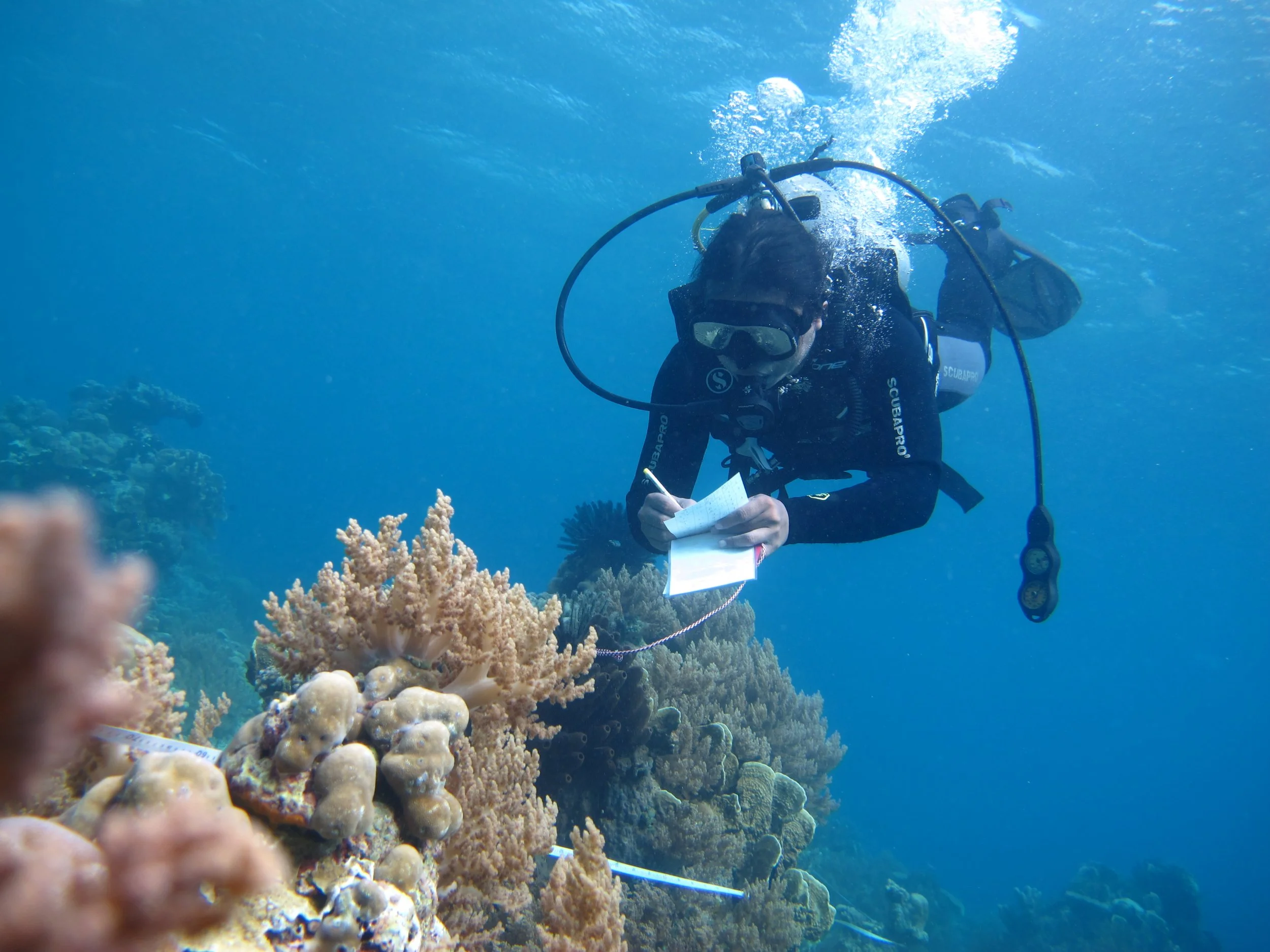
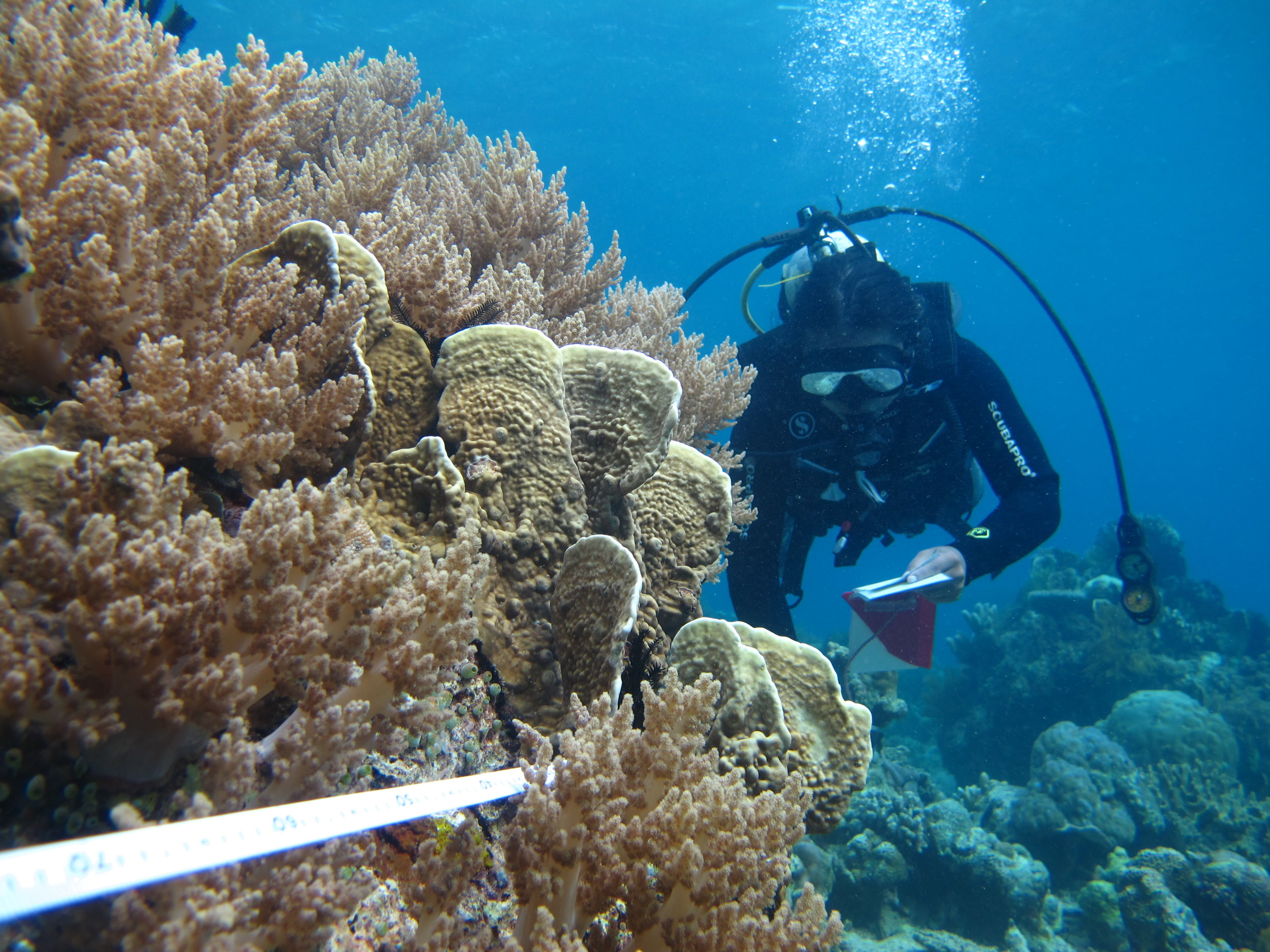
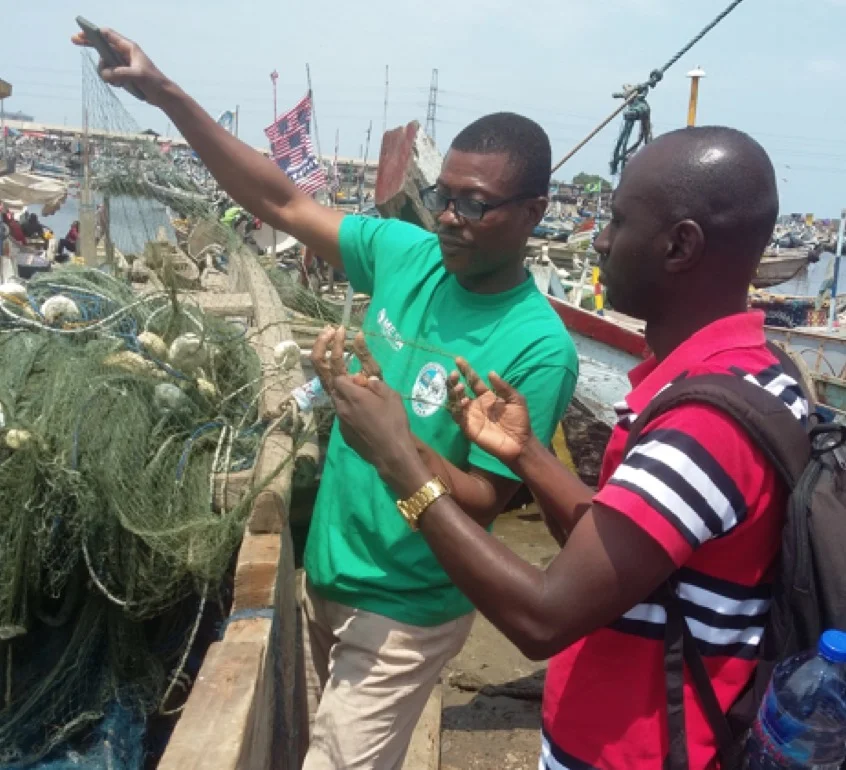
Our science is grounded in fieldwork: underwater surveys, habitat mapping, fisheries landings, household surveys. From there, we test whether existing management is working as intended, such as marine protected areas, and build models and simulations to see how different management scenarios might play out before they happen in the real world.
The Process
Our science is grounded in fieldwork: underwater surveys, habitat mapping, fisheries landings, household surveys. From there, we test whether existing management is working as intended, such as marine protected areas, and build models and simulations to see how different management scenarios might play out before they happen in the real world.
ocean health, local livelihoods
Mud crabs in Micronesia
Healthy mangrove ecosystems and healthy fishing communities go hand in hand. Through ecological and economic modeling, we explore strategies for small-scale crab fisheries that protect ocean habitat while supporting local livelihoods, testing how sustainable harvest design can strengthen both at once.
Distant water fleets
Social-ecological impacts
We investigate how industrial fishing fleets operating far from home influence marine ecosystems and the communities that depend on them. By linking ecological change with governance, market, and food system outcomes, this project reveals how distant-water operations reshape both marine ecosystem health and equity in the world’s oceans.
CLIMATE VULNERABILITY
Fisher resilience in Vietnam
In Vietnam’s lobster fisheries, we study how fishers adapt to climate-driven environmental and economic change. Combining ecological and social data, we identify diversification strategies that preserve cultural heritage, strengthen livelihoods, and sustain marine ecosystem function under changing conditions.


